I have been thinking about food combinations since I started studying health coaching and one question comes up with parents more than almost any other: am I actually getting the most from the food I am eating?
Most of us assume that if we eat the right foods, we are absorbing the nutrients in them. The reality is more interesting than that. Your body’s ability to use a nutrient depends not just on whether it is in your food, but on what else you eat alongside it. Some combinations unlock nutrients you would otherwise barely absorb. Others quietly cancel each other out, even when both foods are genuinely healthy.
This is called nutrient bioavailability, which simply means how much of a nutrient your body can actually use from what you eat. Here are 15 pairings worth knowing. Nine that work brilliantly together and six that are worth rethinking.
The 9 Power Pairs
1. Kale and Avocado
Kale is packed with vitamins A, E and K, but these are fat-soluble vitamins, which means they need dietary fat present in the same meal to be absorbed at all. Without fat, most of what your body could get from kale passes straight through. Avocado, with its high content of monounsaturated fat, is one of the best vehicles for unlocking these nutrients. Two peer-reviewed studies from Ohio State University published in The Journal of Nutrition found that adding avocado to meals containing carotenoids and fat-soluble vitamins increased their absorption by 2.4 to 6.6 times compared to eating the same vegetables without fat (Unlu et al., 2005; Kopec et al., 2014). A kale salad with avocado is not just a trendy combination. It is genuinely one of the more nutritionally intelligent meals you can put together.
2. Spinach and Lemon Juice
Spinach contains non-heme iron, which is the kind found in plant sources and is notoriously difficult for the body to absorb. On its own, your body may take in as little as 2 to 5 percent of the iron in spinach. Add vitamin C and the picture changes significantly. Research by Hallberg et al. published in Human Nutrition: Applied Nutrition demonstrated that ascorbic acid reduces the inhibiting effect of compounds like phytates and tannins, with a meaningful dose increasing non-heme iron uptake by as much as 67 percent at a single meal (Hallberg et al., 1986). A squeeze of fresh lemon juice added after cooking rather than during, so the vitamin C is not destroyed by heat, makes a real and practical difference. The same principle applies to adding orange segments to a bean salad or serving a chickpea dish with fresh tomatoes.
3. Turmeric and Black Pepper (With a Little Fat)
Turmeric has earned its reputation largely because of curcumin, its active anti-inflammatory compound. The problem is that curcumin on its own is poorly absorbed. A landmark study by Shoba et al. published in Planta Medica in 1998 found that piperine, the active compound in black pepper, increased the bioavailability of curcumin by 2,000 percent in human volunteers when the two were taken together (Shoba et al., 1998). A small pinch of black pepper whenever you cook with turmeric is one of the simplest upgrades you can make to a recipe. Curcumin is also fat-soluble, so cooking turmeric in a little coconut oil or olive oil, as traditional Indian cooking has done for centuries, adds another layer of absorption. A golden milk with black pepper and coconut milk is not just delicious. The combination is genuinely, intentionally effective.
4. Tomatoes and Olive Oil
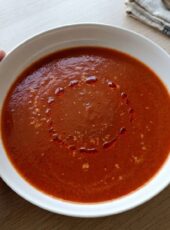
Tomatoes are one of the best food sources of lycopene, a powerful antioxidant associated with heart health and reduced inflammation. Lycopene is fat-soluble, which means it needs fat present to be absorbed effectively. A study by Fielding et al. published in the Asia Pacific Journal of Clinical Nutrition found that consuming tomatoes cooked with olive oil led to an 82 percent increase in plasma lycopene concentrations compared to eating them without fat (Fielding et al., 2005). A second study confirmed that tomato products consumed with olive oil significantly increased antioxidant activity in the blood, while sunflower oil produced no such effect (Porrini et al., 1998). Cooking tomatoes into a slow sauce in good olive oil is not just better flavour. It is meaningfully more nutritious.
5. Green Tea and Lemon
If you drink green tea for the antioxidants, adding a squeeze of lemon is worth the habit. Green tea is rich in catechins, compounds associated with reduced inflammation and cardiovascular support. The problem is that catechins are unstable in the digestive system and much of their benefit is lost before absorption. Research published in Molecular Nutrition and Food Research found that adding citrus to green tea significantly increased catechin recovery through the digestive process, with lemon juice producing the highest recovery among citrus fruits tested (Green et al., 2007). A separate study confirmed that ascorbic acid increased catechin bioavailability in both animal and human intestinal cell models (Zhu et al., 2009). A small habit with a meaningful return.
6. Lentils and Red Bell Pepper
Lentils are excellent for plant-based iron, but as with spinach, the non-heme iron they contain needs vitamin C present at the same meal to be well absorbed. Red bell peppers have one of the highest vitamin C contents of any vegetable, containing more gram for gram than most citrus fruits. A systematic review published in Proceedings of the Nutrition Society confirmed that co-ingestion of vitamin C with non-heme iron sources consistently improves iron bioavailability, with the effect most pronounced when vitamin C-rich whole foods are consumed alongside the iron source (Trost et al.). Adding roasted red pepper to a lentil soup, stirring diced pepper into a dal, or serving a lentil dish alongside a salad containing red pepper makes a significant practical difference to how much iron your family actually absorbs from that meal.
7. Eggs and Colourful Vegetables
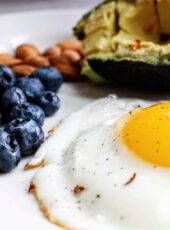
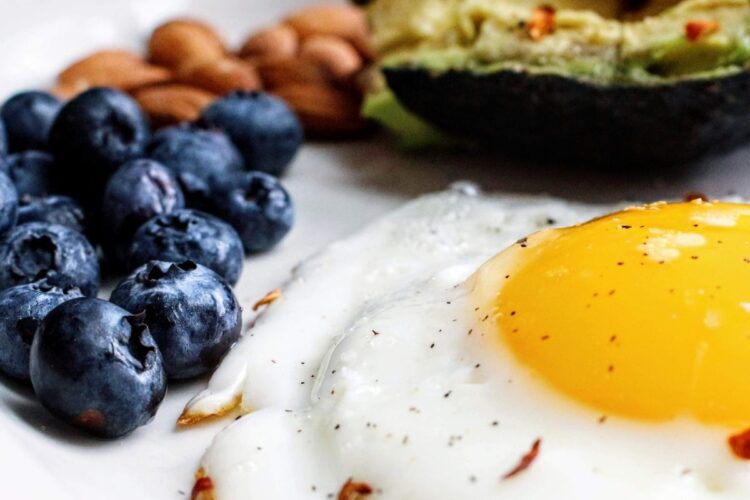
The fat in egg yolks performs the same function as avocado and olive oil when it comes to fat-soluble nutrients. The Ohio State University studies found that dietary fat meaningfully increased absorption of carotenoids and fat-soluble vitamins from vegetables consumed in the same meal (Unlu et al., 2005; Kopec et al., 2014). Pairing eggs with a colourful mix of vegetables, whether in a frittata, a scramble with spinach and tomatoes, or a salad with a soft-boiled egg, means the yolk fat is actively helping your body absorb the vitamins A, E and K in those vegetables. Eggs are also one of the more complete nutritional packages available, which makes them a genuinely useful pairing partner for almost any vegetable on the plate.
8. Carrots (or Sweet Potato) and Olive Oil or Avocado
Beta-carotene, the compound that gives carrots and sweet potato their orange colour, is converted by the body into vitamin A. It is fat-soluble, which means eating it without any fat present significantly reduces how much your body can convert and use. The Kopec et al. study found that adding avocado to a meal containing beta-carotene-rich foods increased provitamin A absorption by 6.6 times and conversion to active vitamin A by more than four times compared to eating the same food without fat (Kopec et al., 2014). Roasting carrots in olive oil rather than steaming them plain, or serving sweet potato with a drizzle of olive oil or a spoonful of avocado, makes a real nutritional difference. A dip of hummus alongside carrot sticks is not just tastier. It is actually more nutritious.
9. Yogurt and Berries
This combination works on a different principle. Yogurt contains live cultures, the beneficial bacteria that support gut health. Berries, particularly blueberries, raspberries and strawberries, are rich in polyphenols and prebiotic fibre, which is what those beneficial bacteria feed on. Research published in Trends in Food Science and Technology confirmed that polyphenols from berries act as prebiotics, selectively stimulating the growth of beneficial bacteria including Lactobacillus and Bifidobacterium species in the gut (Requena et al., 2010). Eating probiotic-rich yogurt alongside prebiotic-rich berries creates the conditions for those bacteria to actually thrive. Plain full-fat yogurt is a better vehicle for this than sweetened varieties, where the added sugar works against the bacteria you are trying to support.
The 6 Combinations Worth Rethinking
10. Banana and Blueberries
This one surprises almost everyone. Bananas contain an enzyme called polyphenol oxidase, and when a banana comes into contact with flavanol-rich fruits such as blueberries, blackberries, apples or grapes, that enzyme chemically degrades the flavanols in those fruits before they can be absorbed. A study conducted by researchers at the University of California Davis and the University of Reading, published in Food and Function, found that banana-based smoothies reduced flavanol bioavailability by approximately 84 percent compared to smoothies made without banana (Ottaviani et al., 2024). The researchers noted that the enzyme does its work during blending itself, before the smoothie is even consumed. Flavanols are associated with cardiovascular health, brain function and reduced inflammation, so losing 84 percent of them is a significant and largely invisible loss. If you love banana smoothies, swap the blueberries for mango or pineapple, which do not contain polyphenol oxidase. This was genuinely one of the most surprising things I learned from my studies, because I had been making this combination for my children for years.
11. Tea or Coffee at Mealtimes
Both tea and coffee contain polyphenols and tannins that bind to non-heme iron in the digestive tract, forming compounds too large for the intestinal wall to absorb. A foundational study by Disler et al. published in Gut was one of the first to demonstrate that tea consumed with a meal dramatically reduced iron absorption, with subsequent research confirming the dose-dependent effect: 25mg of tannins inhibited iron absorption by 67 percent and 100mg by 88 percent (Disler et al., 1975). Research published in The American Journal of Clinical Nutrition further established that the inhibitory effect applies specifically to non-heme iron from plant sources (Hallberg and Rossander, 1982). The fix is straightforward: leave at least 45 to 60 minutes between an iron-rich meal and your tea or coffee. This matters most for children and for anyone relying primarily on plant-based sources of iron.
12. A Glass of Milk With a Plant-Iron Meal
Calcium and iron use the same pathway to enter the bloodstream, which means they are in direct competition when consumed at the same time. A study by Hallberg et al. published in The American Journal of Clinical Nutrition demonstrated that increasing the calcium content of a single meal from 40mg to 300mg inhibited non-heme iron absorption by approximately 50 percent (Hallberg et al., 1991). A review of the mechanisms by Lonnerdal published in Proceedings of the Nutrition Society confirmed that calcium competes with iron at the intestinal transport level in a dose-dependent way (Lonnerdal, 2010). This does not mean avoiding dairy, simply being thoughtful about timing. Serve the dairy elements at a different meal where iron is not the primary nutritional goal.
13. Iron-Fortified Children's Cereal and Milk
This one is specific to families with young children. Many children’s breakfast cereals are fortified with iron precisely because parents are trying to support growing children’s needs, and the standard serving is with cold milk. Based on the calcium-iron competition established by Hallberg et al., the calcium in the milk competes directly with the fortified iron for absorption, reducing the benefit of the fortification considerably (Hallberg et al., 1991). Adding a small glass of orange juice alongside breakfast, or including fresh fruit high in vitamin C with the cereal, helps offset this. Vitamin C from whole food sources will support iron absorption even in the presence of calcium.
14. High-Bran Cereals and Zinc-Rich Seeds at the Same Meal
Phytic acid is a naturally occurring compound in the outer hull of wholegrains, bran, nuts and legumes. Research published in the Journal of Laboratory and Clinical Medicine established that phytic acid binds to minerals including zinc, magnesium and iron in the digestive tract, forming insoluble complexes that are poorly absorbed (Sandstead, 1994). This matters when someone is deliberately eating a high-bran cereal alongside zinc-rich seeds such as pumpkin seeds or hemp seeds at the same meal, expecting both to deliver their full mineral content. Soaking, cooking or fermenting grains reduces phytic acid significantly, which is one reason sourdough bread, made through fermentation, tends to be more mineral-bioavailable than regular unfermented bread.
15. Cheese and Pumpkin Seeds Together
Calcium and zinc use overlapping absorption pathways in the small intestine, which means high-calcium and high-zinc foods consumed together reduce each other’s absorption. Research by Solomons and Jacob published in The American Journal of Clinical Nutrition confirmed the competitive interaction between calcium and zinc at the intestinal absorption level (Solomons and Jacob, 1981). This comes up particularly in health-conscious meals where cheese is combined with pumpkin seeds or hemp seeds, with both assumed to be delivering their minerals fully. Neither food is a problem on its own. The combination simply means you are absorbing less of both than you would if you spread them across the day.
Frequently Asked Questions
Does cooking affect these nutrient interactions?
Some, yes. Vitamin C is particularly heat-sensitive, which is why adding lemon juice to cooked dishes after they come off the heat makes a practical difference rather than squeezing it in during cooking. Lycopene is an exception: research has found that cooking tomatoes actually increases lycopene bioavailability compared to eating them raw, and the addition of fat during cooking amplifies this further. Most fat-soluble vitamin interactions remain intact through cooking, provided the fat source is present in the same meal.
Do these combinations matter if my children already eat a varied diet?
For most children eating a genuinely varied diet, the body has some capacity to compensate for reduced absorption at individual meals over time. Where it matters most is in children who are low in iron, who eat primarily plant-based sources of iron, or who are going through growth periods when nutrient demands are high. The pairings are worth knowing simply because the effort required to apply most of them is minimal, and the nutritional upside is real.
Is it safe to eat spinach every day?
Spinach is a genuinely nutritious food and eating it regularly is not a problem for most people. The one thing worth knowing is that raw spinach contains oxalates, naturally occurring compounds that reduce the absorption of the iron and calcium within the spinach itself. Lightly cooking spinach reduces its oxalate content, and combining it with a squeeze of fresh lemon juice added after cooking makes its iron far more bioavailable than raw spinach alone, as established by Hallberg et al.
Scientific References
- Unlu NZ, Bohn T, Clinton SK, Schwartz SJ. Carotenoid absorption from salad and salsa by humans is enhanced by the addition of avocado or avocado oil. Journal of Nutrition. 2005;135(3):431-6. PubMed PMID: 15735074.
- Kopec RE, Cooperstone JL, Schweiggert RM, et al. Avocado consumption enhances human postprandial provitamin A absorption and conversion from a novel high-beta-carotene tomato sauce and from carrots. Journal of Nutrition. 2014;144(8):1158-66. PMC4093981.
- Hallberg L, Brune M, Rossander L. Effect of ascorbic acid on iron absorption from different types of meals. Human Nutrition: Applied Nutrition. 1986;40(2):97-113. PubMed PMID: 3700141.
- Shoba G, Joy D, Joseph T, Majeed M, Rajendran R, Srinivas PS. Influence of piperine on the pharmacokinetics of curcumin in animals and human volunteers. Planta Medica. 1998;64(4):353-6.
- Fielding JM, Rowley KG, Cooper P, O’Dea K. Increases in plasma lycopene concentration after consumption of tomatoes cooked with olive oil. Asia Pacific Journal of Clinical Nutrition. 2005;14(2):131-6.
- Porrini M, Riso P, Testolin G. Absorption of lycopene from single or daily portions of raw and processed tomato. British Journal of Nutrition. 1998;80(4):353-61.
- Green RJ, Murphy AS, Schulz B, Watkins BA, Ferruzzi MG. Common tea formulations modulate in vitro digestive recovery of green tea catechins. Molecular Nutrition and Food Research. 2007;51(9):1152-62.
- Zhu QY et al. Formulation with ascorbic acid and sucrose modulates catechin bioavailability from green tea. Journal of Agricultural and Food Chemistry. 2009. PMC2802066.
- Trost LB, Bergfeld WF, Calogeras E. The regulation of dietary iron bioavailability by vitamin C: a systematic review and meta-analysis. Proceedings of the Nutrition Society.
- Requena T, Monagas M, Pozo-Bayon MA, et al. Perspectives of the potential implications of wine polyphenols on human oral and gut microbiota. Trends in Food Science and Technology. 2010;21(7):332-344.
- Ottaviani JI et al. Banana polyphenol oxidase reduces flavanol bioavailability by 84 percent in smoothies. Food and Function. University of California Davis / University of Reading. 2024.
- Disler PB, Lynch SR, Charlton RW, et al. The effect of tea on iron absorption. Gut. 1975;16(3):193-200. PubMed PMID: 1168162.
- Hallberg L, Rossander L. Effect of different drinks on the absorption of non-heme iron from composite meals. Human Nutrition: Applied Nutrition. 1982;36(2):116-23.
- Hallberg L, Brune M, Erlandsson M, Sandberg AS, Rossander-Hulthen L. Calcium: effect of different amounts on nonheme- and heme-iron absorption in humans. American Journal of Clinical Nutrition. 1991;53(1):112-9.
- Lonnerdal B. Calcium and iron absorption: mechanisms and public health relevance. Proceedings of the Nutrition Society. 2010;69(4):533-9. PubMed PMID: 21462112.
- Sandstead HH. Understanding zinc: recent observations and interpretations. Journal of Laboratory and Clinical Medicine. 1994;124(3):322-7.
- Solomons NW, Jacob RA. Studies on the bioavailability of zinc in humans: effects of heme and nonheme iron on the absorption of zinc. American Journal of Clinical Nutrition. 1981;34(4):475-82.
Final Thoughts
Most of this comes down to a few simple habits rather than a complete overhaul of how you cook. Squeeze lemon on spinach and lentils after they come off the heat. Roast your carrots and tomatoes in olive oil. Add a pinch of black pepper to anything with turmeric in it. Blend your berries without the banana. Small adjustments, genuinely meaningful differences.
Save this post for the next time you are planning the week’s meals. And if you want to go further, the gut health guide and the iron absorption meatballs post are good next stops.
Read Similar




Affiliate Disclaimer: This website may include affiliate links, which means I may earn a commission if you click through and make a purchase. This comes at no additional cost to you and helps support the content and resources I provide. I only recommend products and services I genuinely believe in. Thank you for your support!