Home » Vitamin C Rich Red Pepper Soup: What I Made to Protect My Family During an Air Pollution Emergency
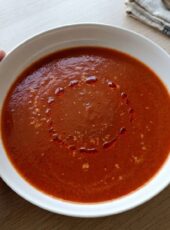
Vitamin C Rich Red Pepper and Carrot Soup

Vitamin C Rich Red Pepper Soup: What I Made to Protect My Family During an Air Pollution Emergency

This post may contain affiliate links. Please read our privacy policy.

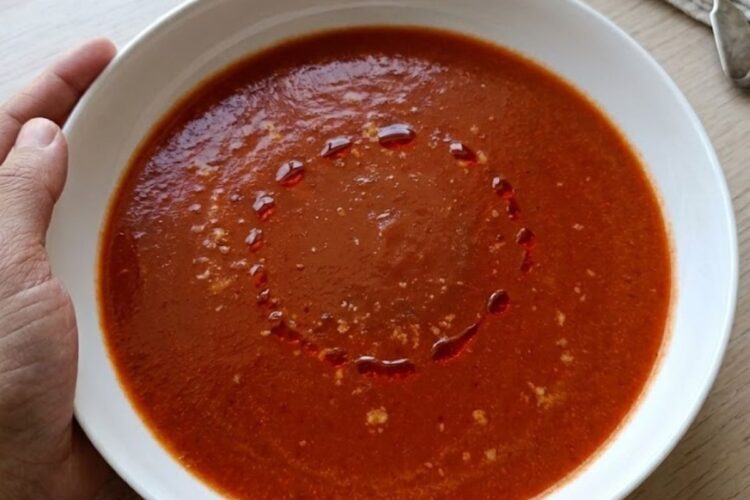
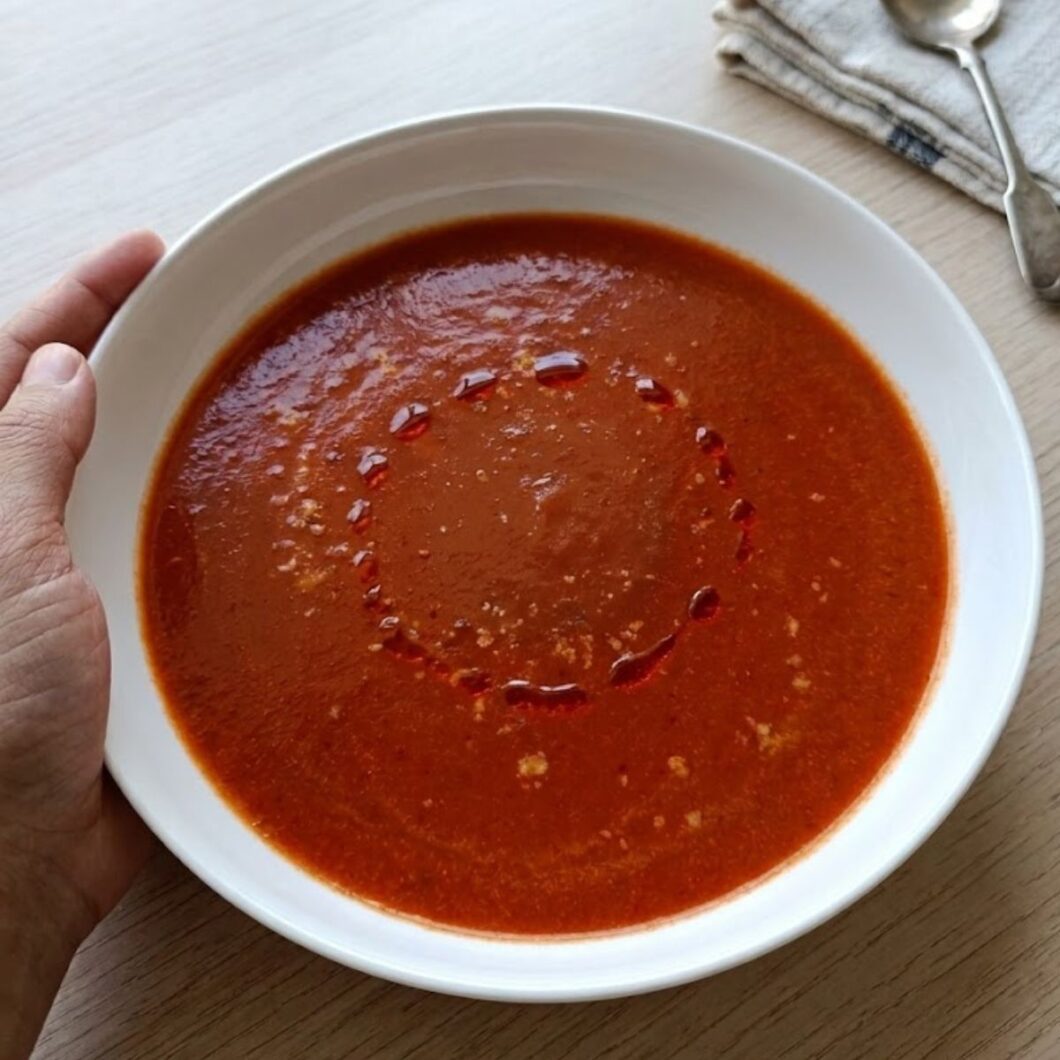
red pepper and carrot soup

A factory fire broke out near where we live. The smoke was thick and the fumes it carried into the air were a real and documented health concern. We made the decision to leave our home and stay with my in-laws until the situation had settled, and I am genuinely grateful we had that option. Not everyone does. I held that awareness close throughout the entire week we were away, and I did not take it for granted for a single moment.

When we came back home, the official advice was to wear masks outdoors. If you have ever tried to convince a toddler to keep a mask on for longer than thirty seconds, you will understand why that presented its own particular challenge. So we did what we could. We stayed indoors more than usual, we monitored the air quality updates, and I focused my energy on the one thing I actually had control over: what we put on the table.

I could not control the fire. I could not control the air. But I could control what we ate. As a Certified Health Coach with an MSc in Clinical Nutrition, that is exactly where I turned. This soup is what came out of that week, and I want to share it with you because if you ever find yourself in a similar situation, I hope it gives you a practical, science-backed starting point.

Why This Soup Belongs in Your Regular Rotation

Beyond the nutritional science (which I will walk you through below), this soup earns its place in the weekly rotation for very practical reasons. It comes together in one pot, takes under twenty-five minutes start to finish, and the pressure cooker does most of the work while you get on with everything else. The result is a smooth, velvety texture that children tend to accept without complaint, which matters more than it might sound on a busy weeknight.

The black beans added at the end are what turn this from a light starter into a genuinely filling meal. They add plant-based protein and fibre without changing the flavour or texture of the soup itself. The sundried tomatoes bring a depth and natural sweetness that rounds out the peppers beautifully. And the turmeric adds its quiet anti-inflammatory contribution without announcing itself too loudly.

It is also one of those soups that tastes better the next day, which makes it excellent for batch cooking. Make a large pot on Sunday, and you have a ready lunch or dinner for several days of the week.

How to Make This Soup

Start by heating your olive oil in the pressure cooker on a medium sauté setting. Add the garlic, onion, and carrot and let them cook gently for three to four minutes, stirring occasionally, until the onion becomes soft and translucent and the kitchen starts to smell exactly as it should. Do not rush this step. Building flavour at this stage makes a difference to the finished soup.

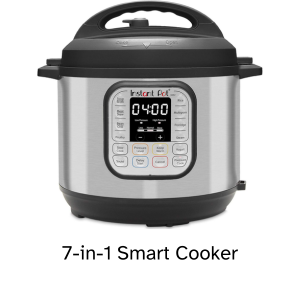
Add the chopped red peppers, sundried tomatoes, vegetable broth, turmeric, salt, and pepper. Stir everything together, seal the lid, and cook on high pressure until the valve rises. Once the valve is up, reduce the heat to medium-low and cook for a further ten minutes. Release the pressure carefully, open the lid, and stir in the cooked black beans.

Use a hand blender to blend the soup directly in the pot until it is completely smooth and velvety. Taste and adjust the seasoning. That is it.

If you do not have a pressure cooker, bring everything to a gentle boil in a regular saucepan and simmer on medium heat for twenty-five to thirty minutes, or until the carrot is completely soft. Add the black beans after blending. The result is identical; it just takes a little longer.

The Nutritional Science Behind This Soup

Red bell peppers are one of the most concentrated food sources of Vitamin C available, containing significantly more per gram than most citrus fruits. A 2025 study from the University of Technology Sydney found that Vitamin C reduces lung inflammation and mitochondrial damage caused by exposure to fine particle air pollution, known as PM2.5. This type of particulate matter is released in industrial fires and urban smog events and is particularly harmful because the particles are small enough to penetrate deep into lung tissue.

The carrot brings beta-carotene, which the body converts to Vitamin A as needed. Vitamin A plays a critical role in protecting the mucous membranes that line the respiratory tract, the body’s first line of physical defence against airborne particles. When these membranes are healthy and well-supported, they trap pollutants before they travel further into the body.

The turmeric contains curcumin, one of the most well-studied anti-inflammatory compounds in food. Air pollution exposure triggers an inflammatory response in the body, and curcumin helps to counteract the oxidative stress that follows. It does not overpower the flavour of the soup, but it is doing meaningful work in the background.

The black beans complete the nutritional picture with plant-based protein, iron, and prebiotic fibre to support gut health, which is increasingly understood as central to immune function. Every ingredient in this soup is earning its place.

red pepper and carrot soup

Serving Ideas

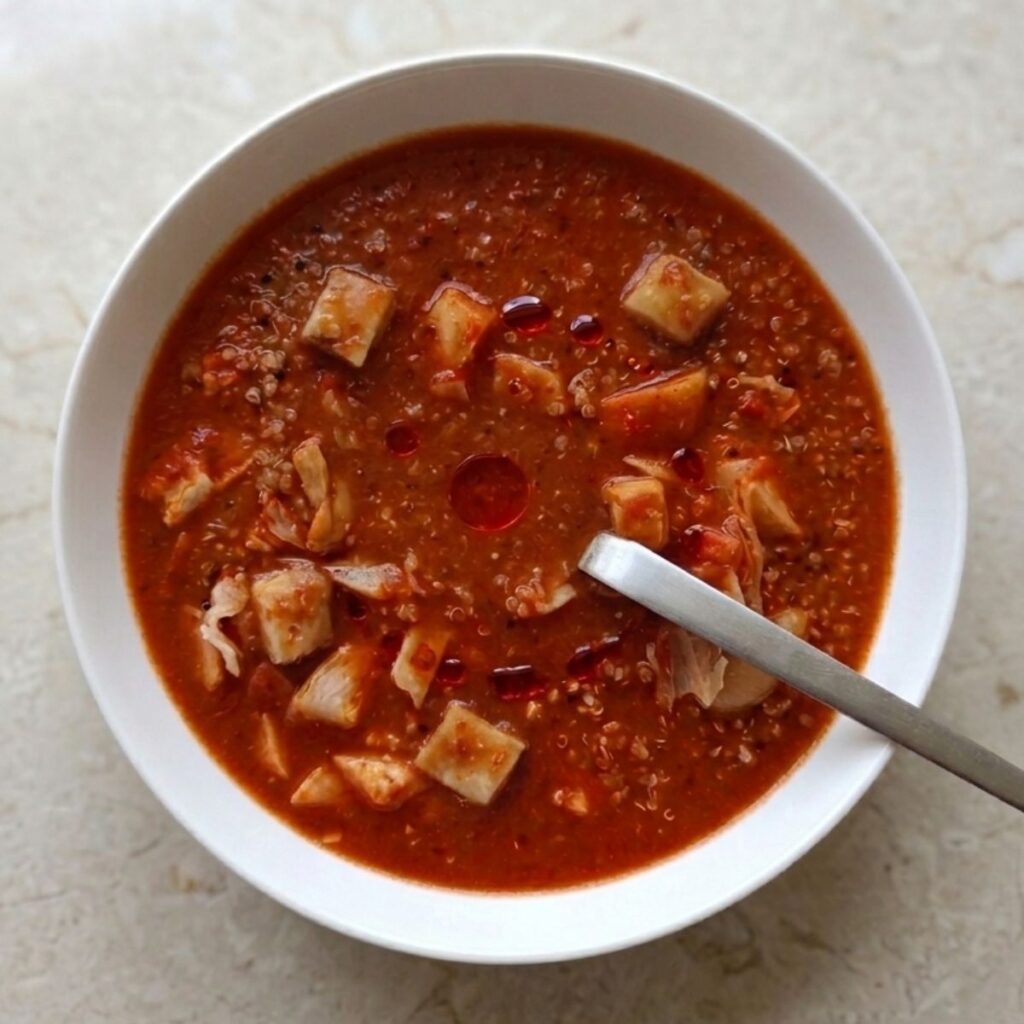
This soup works beautifully on its own as a warming lunch, but it becomes a complete dinner with a little thought about what to serve alongside it. A soft-boiled egg halved on top adds protein and richness and takes under ten minutes to prepare. A slice of toasted sourdough alongside it is a simple and satisfying combination. A small portion of cooked quinoa or brown rice in the bowl makes it more substantial for hungrier family members.

I had it with quinoa and chicken last time we had it (see image above).

I have also stirred a spoonful of tahini through the finished soup just before serving, which adds creaminess, calcium, and a gentle nuttiness that works really well with the pepper. Highly recommended if you have tahini in the fridge.

For children, serve it slightly cooler than you might for adults, and consider a small side of whatever protein they enjoy most. The smooth velvet texture tends to go down well even with reluctant soup eaters.

Storage Tips

This soup keeps well in the fridge for up to four days in a sealed container. The flavour actually deepens over time, so do not be surprised if it tastes even better on day two or three. Reheat gently on the hob over a low heat, adding a splash of water or broth if it has thickened in the fridge.

It freezes beautifully for up to three months. The black beans hold their texture well after freezing, and the blended base does not separate. Freeze in individual portions for a ready meal on days when cooking is not an option. Defrost overnight in the fridge and reheat as above.

If you are planning to freeze it, you may want to add the black beans fresh when reheating rather than before freezing. Both approaches work, but the beans keep a slightly better texture when added just before serving.

More Recipes to Support Your Family's Wellbeing

If you enjoyed this soup and are looking for more recipes that lead with both flavour and nutritional intention, here are a few from the archive that I reach for again and again. Each one is built around real ingredients, real science, and the reality of cooking for a family with limited time and unlimited competing priorities.

The Creamy Pressure Cooker Mushroom Soup is velvety, comforting, and ready in 20 minutes. Blended completely smooth, it is a brilliant way to get immune-supporting mushrooms into the whole family without a single complaint at the table.

The Easy Chicken Tortilla Soup is one of the most reliable bowls in our house. Loaded with chicken, beans, and vegetables in a rich tomato broth, it hits protein, fibre, and healthy fat all in one pot and comes together in under 40 minutes.

For something heartier, the Deep Flavour Dark Chocolate Beef and Bean Chili is worth trying. The dark chocolate deepens the savoury flavour in a way that is hard to describe until you have tasted it, and with 59g of protein per serving it is one of the most nourishing bowls on the blog.

And for a simple plant-based option, the Greek Style Peas are Mediterranean comfort food at its most honest. Frozen peas, olive oil, tomato, and vegetables cooked in the pressure cooker. Serve with bread and feta and it is a complete meal in under 30 minutes.

Frequently Asked Questions (FAQ)

Yes, absolutely. Add all the ingredients except the black beans to a regular saucepan, bring to a gentle boil, and simmer on medium heat for twenty-five to thirty minutes, or until the carrot is completely soft. Then add the black beans, blend until smooth, and adjust the seasoning. The result is exactly the same. The pressure cooker simply saves you about fifteen minutes of active time.

Chickpeas work very well as a substitute and have a slightly firmer texture after blending. White beans such as cannellini blend into the soup more smoothly and become almost invisible, which can be useful if you have resistant eaters. Red lentils are another option and do not need to be pre-cooked. Add them with the broth and they will cook through during the pressure or simmering time, adding protein and making the soup naturally thicker.

Yes. This soup is smooth in texture, mild in flavour, and free from common allergens. For toddlers, make sure the soup has cooled to a comfortable eating temperature before serving. The black beans are blended in so there are no whole pieces to worry about. If your toddler is very young or you are introducing legumes for the first time, you can reduce the black beans to a smaller amount and increase gradually. The soup is also a good vehicle for adding a swirl of full-fat yoghurt to increase the calcium and fat content for younger children.

It surprises most people. A single large red bell pepper contains around 150 to 190mg of Vitamin C, compared to roughly 70mg in a medium orange. This is because red peppers are the fully ripened version of green peppers, and the ripening process dramatically increases their Vitamin C content. They are also rich in beta-carotene, which converts to Vitamin A in the body. This soup uses three large red peppers, which means a single serving contributes a substantial amount of Vitamin C before you even account for the other ingredients.

Vitamin C Rich Red Pepper and Carrot Soup

Vitamin C Rich Red Pepper and Carrot Soup

Recipe by Christina Tsiripidou

A warming, velvety soup packed with Vitamin C from red bell peppers and Vitamin A from carrot, finished with black beans for plant-based protein and fibre. Made in a pressure cooker in under 25 minutes.

Course: Soup, Main CourseCuisine: MediterraneanDifficulty: Easy
Servings
+
-

4

servings
Prep time

10

minutes
Cooking time

15

minutes
Calories

209

kcal
Total time

25

minutes

Ingredients

  • 3 tbsp olive oil

  • 3 garlic cloves, minced

  • 1 medium red onion, diced

  • 1 medium 1 medium carrot, roughly chopped

  • 3 large red peppers, roughly chopped

  • 4 sundried tomatoes

  • 3 cups vegetable or chicken broth (720ml)

  • 1/2 tsp turmeric powder

  • Salt and black pepper to taste

  • 150g -200g cooked black beans

Directions

  • Heat the olive oil in a pressure cooker on a medium sauté setting. Add the minced garlic, diced onion, and chopped carrot. Cook for 3 to 4 minutes, stirring occasionally, until the onion softens and becomes translucent and the garlic is fragrant.
  • Add the chopped red peppers, sundried tomatoes, vegetable broth, turmeric powder, salt, and pepper. Stir well to combine all the ingredients.
  • Seal the pressure cooker lid. Cook on high pressure until the valve rises. Once the valve is up, reduce the heat to medium-low and cook for a further 10 minutes.
  • Carefully release the pressure and open the lid. Stir in the cooked black beans.
  • Using a hand blender, blend the soup directly in the pot until completely smooth and velvety in texture. Taste and adjust the seasoning as needed.
  • Serve hot as a main meal with additional protein of your choice, or as a warming starter. A soft-boiled egg, a slice of toasted sourdough, or a small portion of cooked grains all work beautifully alongside.

Equipment

Nutrition Facts

  • Serving Size: 1 serving g
  • Total number of serves: 4
  • Calories: 209kcal
  • Fat: 11.2g
  • Saturated Fat: 1.6g
  • Sodium: 929mg
  • Potassium: 563mg
  • Carbohydrates: 24.4g
  • Fiber: 7.1g
  • Sugar: 9.4g
  • Protein: 5.4g
  • Vitamin A: 340mcg
  • Vitamin C: 161.7mg
  • Calcium: 36mg
  • Iron: 2mg
  • Vitamin E: 3.6mg
  • Vitamin K: 15.4mcg
  • Thiamin: 0.2mg
  • Riboflavin: 0.2mg
  • Niacin: 1.8mg
  • Vitamin B6: 0.5mg
  • Folate: 122.1mcg
  • Pantothenic Acid: 0.6mg
  • Phosphorus: 108mg
  • Magnesium: 50mg
  • Zinc: 1mg
  • Selenium: 1.1mcg
  • Copper: 0.2mg
  • Manganese: 0.4mg

Leave a Comment

Your email address will not be published. Required fields are marked *

*