Eating healthy on a budget doesn’t have to be difficult or expensive. With a few smart strategies, you can enjoy affordable healthy meals, reduce waste, and still satisfy your family with cheap nutritious food that tastes great. From smart grocery shopping to meal planning on a budget, these tips and recipes show you how to eat well without overspending.
Content
- Tip #1 – Buy Fresh Produce & Freeze It
- Tip #2 – Look for Sales and Plan Around Them
- Tip #3 – Buy in Bulk
- Tip #4 – Choose Whole Grains and Beans Over Refined Carbs
- Tip #5 – Shop at Farmers’ Markets (Especially at the End of the Day)
- Tip #6 – Don’t Shop Hungry
- Tip #7 – Plan Your Meals in Advance
- Tip #8 – Pack Your Lunch
- Tip #9 – Love Your Leftovers
- Sample Shopping List for Budget-Friendly Healthy Meals
Tip #1: Buy Fresh Produce & Freeze It
Fresh produce can sometimes feel expensive, especially when it’s out of season, but freezing is a simple way to stretch your budget without compromising on nutrition. Buying fruits and vegetables when they’re in season or on sale and freezing them ensures you’ll always have ingredients ready for budget-friendly recipes. Freezing preserves nutrients, often making frozen produce just as healthy — if not healthier — than “fresh” produce that has been sitting on shelves for days.
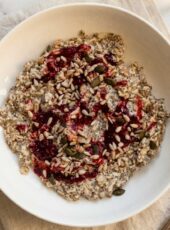
Personally, I like to stock up on berries during peak season, then freeze them for smoothies, oatmeal, or baking. I also pre-grate vegetables like zucchini, carrots, and beetroot before freezing. Later, I can toss them straight into pasta sauces, stews, or casseroles for a nutrient-dense meal without extra prep work. This method not only saves money but also cuts down on food waste and ensures my family always has budget-friendly, nutrient-dense ingredients on hand.
Tip #2 – Look for Sales and Plan Around Them
Supermarkets and local stores regularly rotate sales, and learning to shop around them can make a huge difference in your grocery budget. If you want to enjoy cheap healthy meals, patience pays off. For example, plant-based milk can be pricey, but I’ve saved plenty by waiting for sales and buying two or three cartons at once.
Planning meals around discounts ensures you only buy what’s cost-effective, which is essential for affordable family meals. Many apps and store websites also share weekly deals, so you can plan your shopping list before stepping out the door. Think of it as a mini strategy session that helps you avoid impulse buys and stretch your budget further. With a little foresight, you can enjoy your favourite ingredients without overspending — and still keep your meals nutritious.
Tip #3 – Buy in Bulk
Staple items like oats, rice, beans, and pasta are often much cheaper when bought in bulk. While the upfront cost can seem higher, the long-term savings are worth it. Bulk-buying also ensures that you always have the basics on hand for quick, budget-friendly recipes.
I usually buy grains and legumes by the kilo. They last for months in the pantry and become the backbone of countless cheap healthy meals — from hearty soups to grain bowls like my one pot stovetop chickpea recipe, to homemade veggie burgers, to my family’s favourite pea fritters, or even a simple snack like these crispy chickpeas. Canned goods are another smart bulk buy, giving you convenience at a fraction of the cost per unit.
This strategy works especially well for busy families who need nutritious meals without constant grocery trips. By keeping a well-stocked pantry, you’ll spend less money overall, waste less food, and have the flexibility to prepare affordable, nourishing meals any day of the week.
Tip #4 – Choose Whole Grains and Beans Over Refined Carbs
Refined grains like white pasta or bread often cost more and leave you feeling hungry sooner. Whole grains and beans, on the other hand, are budget-friendly and packed with nutrition. Swapping white rice for brown rice or adding beans and lentils to your meals is one of the simplest ways to eat healthy on a budget.
Whole grains provide more fiber and protein, which keeps you fuller for longer — saving you from unnecessary snacking. Beans and lentils are among the cheapest protein sources available, and they’re endlessly versatile. I often make big batches of chickpeas: one day they become a stovetop chickpea and vegetable stew, another day I roast them into crispy snacks.
This simple switch does wonders for both your wallet and your health. You’ll be serving your family nutrient-dense, affordable meals that taste great and sustain energy throughout the day.
Tip #5 – Shop at Farmers’ Markets (Especially at the End of the Day)
Farmers’ markets can be a goldmine for fresh, affordable produce, often at lower prices than supermarkets. If you go near the end of the day, vendors are more likely to offer discounts to clear their stock — a great trick for saving money on groceries.
In my experience, local markets not only provide fresher options but also add a personal touch. Once I became a regular at my neighbourhood market, vendors started tossing extra items into my bag — little “thank-yous” that added even more value. Shopping this way supports small farmers, reduces your carbon footprint, and helps you discover seasonal foods you might not find in big stores.
Affordable, fresh, and community-driven — local markets are perfect for anyone trying to prepare cheap healthy meals while staying connected to their food sources.
Tip #6 – Don’t Shop Hungry
It sounds simple, but it’s one of the most effective tips for eating healthy on a budget. When you shop on an empty stomach, everything looks tempting, and it’s easy to fill your cart with snacks or ready-made meals that don’t align with your goals — or your wallet.
I’ve been there: grabbing things I didn’t need, only to regret it later when I realised they were overpriced and not very healthy. Eating a small meal or snack before you shop helps you stay focused and stick to your list. It also makes it easier to avoid impulse buys and prioritise ingredients for budget-friendly recipes.
This little mindset shift can save you more money than you think and keeps your pantry stocked with the foods you actually need.
Tip #7 – Plan Your Meals in Advance
Meal planning is the backbone of affordable family meals. When you know what you’re cooking, you can build a shopping list around it, avoiding waste and overspending. Planning doesn’t have to be complicated — I often create a weekly menu with just 3–4 core recipes, then repurpose leftovers into new meals.
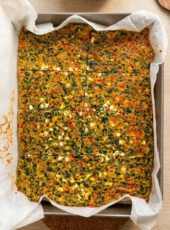
For example, sheet pan recipes are one of my favorite hacks. Making a tray of roasted vegetables, chickpeas, or even sheet pan eggs provides enough for several meals, from breakfast to lunchboxes. A batch of halloumi burgers with oven-baked potatoes can serve as a hearty dinner one evening, with leftovers transformed into wraps or lunch bowls the next day. This approach saves time, money, and stress, since you’re not scrambling to figure out what’s for dinner every night.
By planning ahead, you’ll reduce food waste, cut down grocery costs, and keep your family nourished with budget-friendly, nutrient-rich recipes all week long.
Tip #8 – Pack Your Lunch
Eating out, even just for lunch, quickly adds up. Packing your lunch is one of the most powerful ways to save money on groceries and control what you’re eating. Even something simple like a wrap or sandwich made at home is usually healthier and far cheaper than a store-bought option.
Cooking larger batches at dinner makes this even easier. For example, a serving of green salad packed with folic acid and protein can be portioned into jars for grab-and-go lunches. Leftover gluten-free salmon patties can be tucked into pita pockets with fresh veggies for a quick, filling meal. Or try my high-protein tuna & sardine salad recipe, which is budget-friendly, rich in omega-3s, and perfect to prep ahead for sandwiches or grain bowls. By thinking ahead, you’ll always have a nutritious, ready-to-go option that fits your budget.
Not only does this save money, but it also helps you stick to your health goals, since you’re in control of ingredients and portion sizes.
Tip #9 – Love Your Leftovers
One of the easiest ways to eat healthy on a budget is to embrace leftovers and get creative with them. Instead of seeing them as “boring repeats,” think of them as building blocks for new meals.
For example, leftover rice can be turned into a quick stir-fry, while roasted [crispy chickpeas] can be sprinkled over salads or soups for extra crunch. A batch of [pea fritters] made on Sunday can double as snacks or school lunches during the week. Even [sheet pan eggs] can be repurposed into breakfast sandwiches or wraps for busy mornings.
By reusing what you already have, you save money, cut down on food waste, and make mealtimes easier. It’s a smart way to stretch your groceries and keep budget-friendly recipes exciting.
Sample Shopping List for Budget-Friendly Healthy Meals
To make eating healthy on a budget easy, here’s a practical shopping list featuring versatile, nutritious, and affordable ingredients:
Grains & Legumes:
- Brown rice, oats, quinoa, whole wheat pasta
- Canned or dried beans (chickpeas, black beans, kidney beans)
- Lentils
Vegetables:
- Seasonal fresh vegetables (zucchini, carrots, beetroot, broccoli, cauliflower)
- Frozen vegetables for long-term use
- Leafy greens (spinach, kale, romaine lettuce)
- Bell peppers, tomatoes, cucumbers
Protein & Dairy:
- Eggs
- Feta cheese or halloumi
- Canned tuna or sardines
- Salmon or other budget-friendly fish options
Pantry Staples & Extras:
- Olive oil, coconut oil, or your preferred cooking oils
- Spices and herbs (paprika, cumin, oregano, garlic powder)
- Nut butters or seeds for added protein and healthy fats
- Whole-grain wraps, pita, or bread for lunch options
This shopping list covers all the essentials for preparing recipes like pea fritters, one-pot stovetop chickpeas, sheet pan eggs, high-protein tuna & sardine salad, and green salads. Stocking these staples ensures you can whip up cheap healthy meals any day of the week while saving money and reducing food waste.
Final Thoughts
Eating healthy on a budget is entirely achievable with a little planning, creativity, and smart shopping. By incorporating versatile ingredients like chickpeas, eggs, whole grains, and seasonal vegetables, you can prepare cheap healthy meals that are both delicious and nutritious. Strategies like buying in bulk, freezing produce, planning meals ahead, packing lunches, and repurposing leftovers not only save money but also reduce food waste and make mealtimes stress-free.
The key is to start small and gradually implement these tips in ways that fit your family’s lifestyle. Even simple changes — like freezing extra vegetables or turning leftovers into a new meal — can make a big difference over time.
Eating well on a budget is about being resourceful, creative, and intentional — and with these tips and recipes, it’s completely possible.
Read Similar



Affiliate Disclaimer: This website may include affiliate links, which means I may earn a commission if you click through and make a purchase. This comes at no additional cost to you and helps support the content and resources I provide. I only recommend products and services I genuinely believe in and that align with the values of this platform. Your trust is important to me, and I’m committed to transparency. Thank you for your support!